Research · Completed
p = .009
N = 96 controlled experiment
Automated Interview Simulation Study
How what candidates see on screen shapes their behavior
Behavioral science
I’m Sina Dehesh, a behavioral scientist in Milan. I study what people actually do, not what they say they will do, and design the change that makes the right behavior easier, in a website, a funnel, an app or a game. Then I test it with real people and measure whether behavior moved. I trained in experimental psychology at the University of Milano-Bicocca (M.Sc.), and my thesis was a controlled experiment with 96 participants.
Hiring a behavioral scientist? I’m open to in-house and contract roles in Milan, Turin or remote, as well as consulting projects. Email me about a role or see my LinkedIn.
Services
Six kinds of work, from a one-off behavioral audit to designing and testing the change.
M.Sc. Applied Experimental Psychological Sciences, University of Milano-Bicocca. Two-year master's, 120 ECTS, taught in English.
Methods
| Method | The question it answers | Where I used it |
|---|---|---|
| Controlled experiment | Did this change cause the behavior? | Automated Interview Simulation Study |
| Field test with real users | Does it still work outside the lab? | Passway |
| Friction design | Where should the path be harder, and where easier? | FloraLock, ShroomLock & CloudLock, Costly |
| Commitment devices | How do people keep a promise to their future self? | Costly |
| Choice architecture | What do people pick when they don’t stop to think? | Optimolds, FloraLock, ShroomLock & CloudLock |
| Behavioral experiment on risk | How far do real bets drift from the optimal stake, and why? | Dopamine Box |
| Field | What it studies | What it’s good for |
|---|---|---|
| Behavioral science | Behavior itself, drawing on psychology, economics, sociology and neighboring fields | Designing and testing changes in what people do |
| Behavioral economics | Predictable departures from “rational” choice, such as loss aversion, present bias and the pull of defaults | Pricing, defaults, saving, paying and commitment |
| Consumer psychology | How people perceive, choose, buy and use products | Offers, funnels, brands and products |
| Psychology | The mind and behavior, from perception and memory to emotion and personality | The mechanisms underneath all of the above |
In Italy, “psychologist” is a protected title for members of the Ordine degli Psicologi, so I describe myself as a behavioral scientist. My work is on decisions and products, not therapy.
Proof
p = .009
N = 96 controlled experiment
How what candidates see on screen shapes their behavior
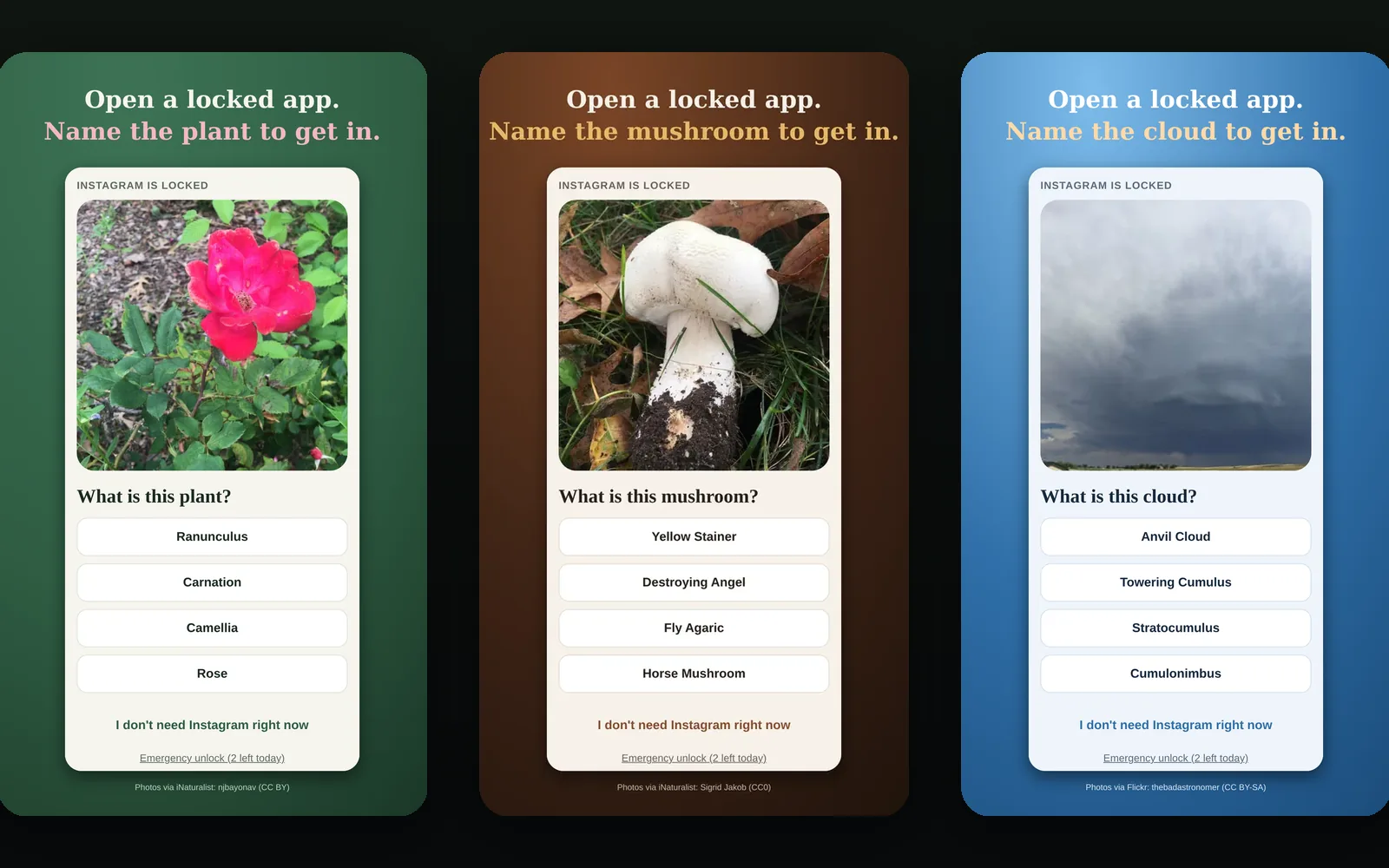 Consumer app · Live
App lockers that teach you something instead of saying no
177 — plants, mushrooms and clouds to name before you can scroll
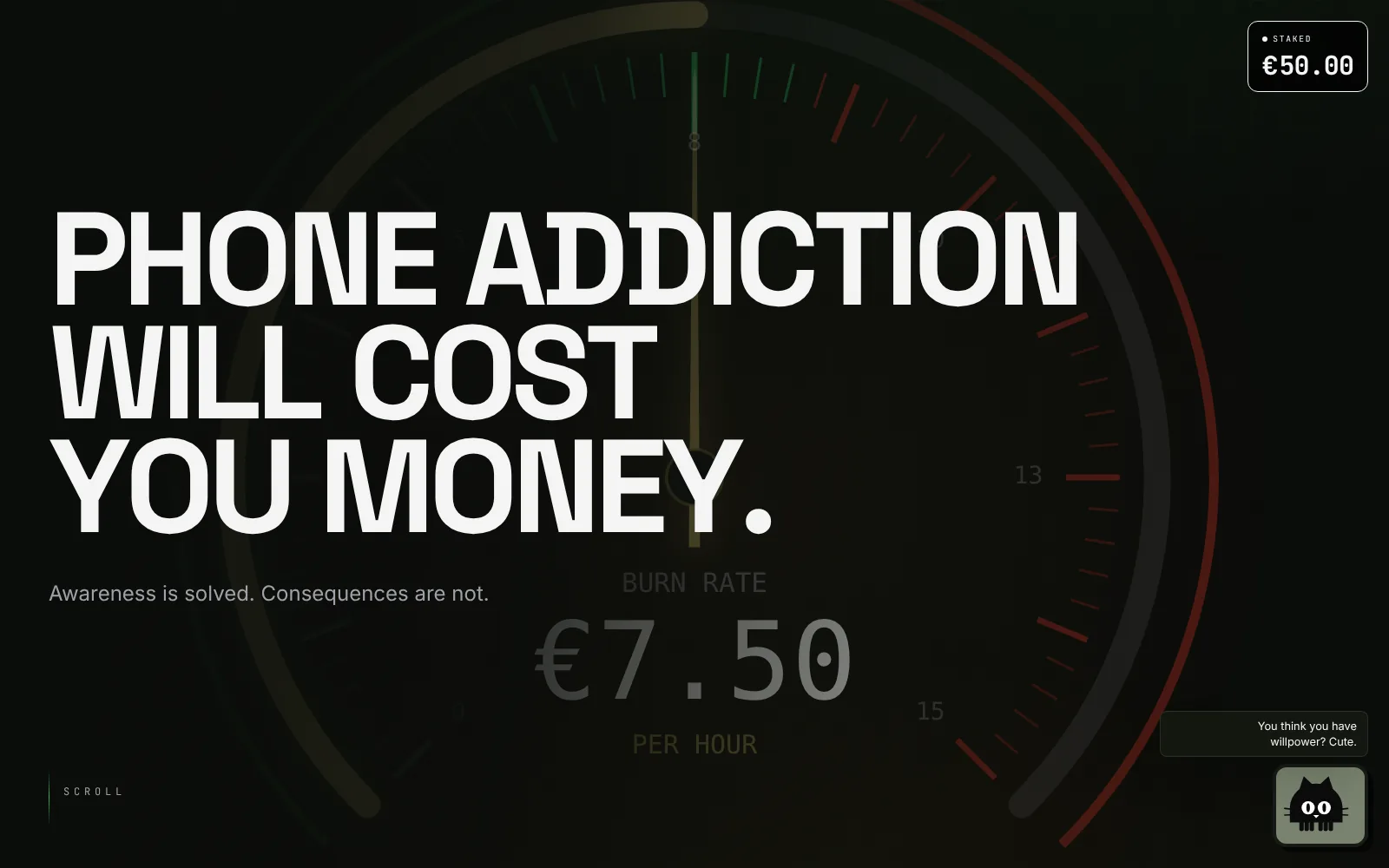 Consumer app · Pre-launchRaising pre-seed
Doomscrolling that costs real money — until you walk it back
80% — of every loss earned back by walking it off
10 × 6
topics × university programs
Curriculum-gap tracker built on a two-source data model
Writing
Behavioral science
What does a behavioral scientist do? Where they work, how a project runs from one behavior to a test, the frameworks and skills, and what nudge evidence shows.
7 min read
Behavioral science
Need a behavior expert? Who does what, from behavior analysts and animal behaviorists to behavioral scientists and consumer behavior experts, and what to ask.
7 min read
Consumer psychology
Do nudges work? What nudge-unit trials, megastudies and the publication-bias debate show, and how product teams should test, size and prioritize changes.
5 min read
Research methods
Within-subjects design in UX research: when repeated measures beat A/B tests, how to handle order effects, and how to run a repeated-measures ANOVA properly.
6 min read
Consumer psychology
Dark patterns vs persuasive design: a five-question test to run before you ship, applied to real products, plus the EU and UK rules that already draw the line.
6 min read
Engagement & addiction
Engagement and addiction aren't the same thing. What research says separates them, the warning signs of compulsion, and a simple test for healthy engagement.
6 min read
Related expertise
Behavioral science, consumer psychology, consumer behavior, UX research and market insights overlap. Each page shows the part people usually search for.
FAQ
A behavioral scientist studies why people do what they do, designs changes that make a target behavior easier, and tests whether the change worked. In companies that usually means behavioral audits of a product or funnel, experiments, and choice architecture: defaults, framing, friction and feedback. I do this for websites, funnels, apps and games, and I measure the result with real people.
See Automated Interview Simulation Study, FloraLock, ShroomLock & CloudLock
No. Behavioral science draws on psychology, behavioral economics and other fields, and it is not a regulated title. In Italy, “psychologist” is a protected title for members of the Ordine degli Psicologi, so I describe myself as a behavioral scientist. I hold an M.Sc. in Applied Experimental Psychological Sciences from the University of Milano-Bicocca, and my work is on decisions and products, not therapy.
When the problem is a behavior rather than a feature: people sign up and don’t come back, start a form and don’t finish, or say they want something and don’t buy it. Also before a big bet, when you need a test that can tell you you’re wrong. If the product doesn’t do what it promises, fix that first; no nudge will.
Some do, and usually less than the headlines suggest. A study of nudge units’ own trials found real but much smaller effects than the published academic studies (DellaVigna and Linos, 2022). So I treat every nudge as a hypothesis, design it for your users and test it before it is rolled out.
Yes. I’m based in Milan and work with teams in Milan, Turin, across Europe and remotely, in English, Italian, Persian and German. Audits, interviews, experiments and analysis all run well online; being in the same room helps most for workshops and for watching people use a product where they really use it.
(Contact)
Based in Milan, Italy · Available in Milan, Turin, across Europe and remotely · English, Italian, Persian, German · LinkedIn