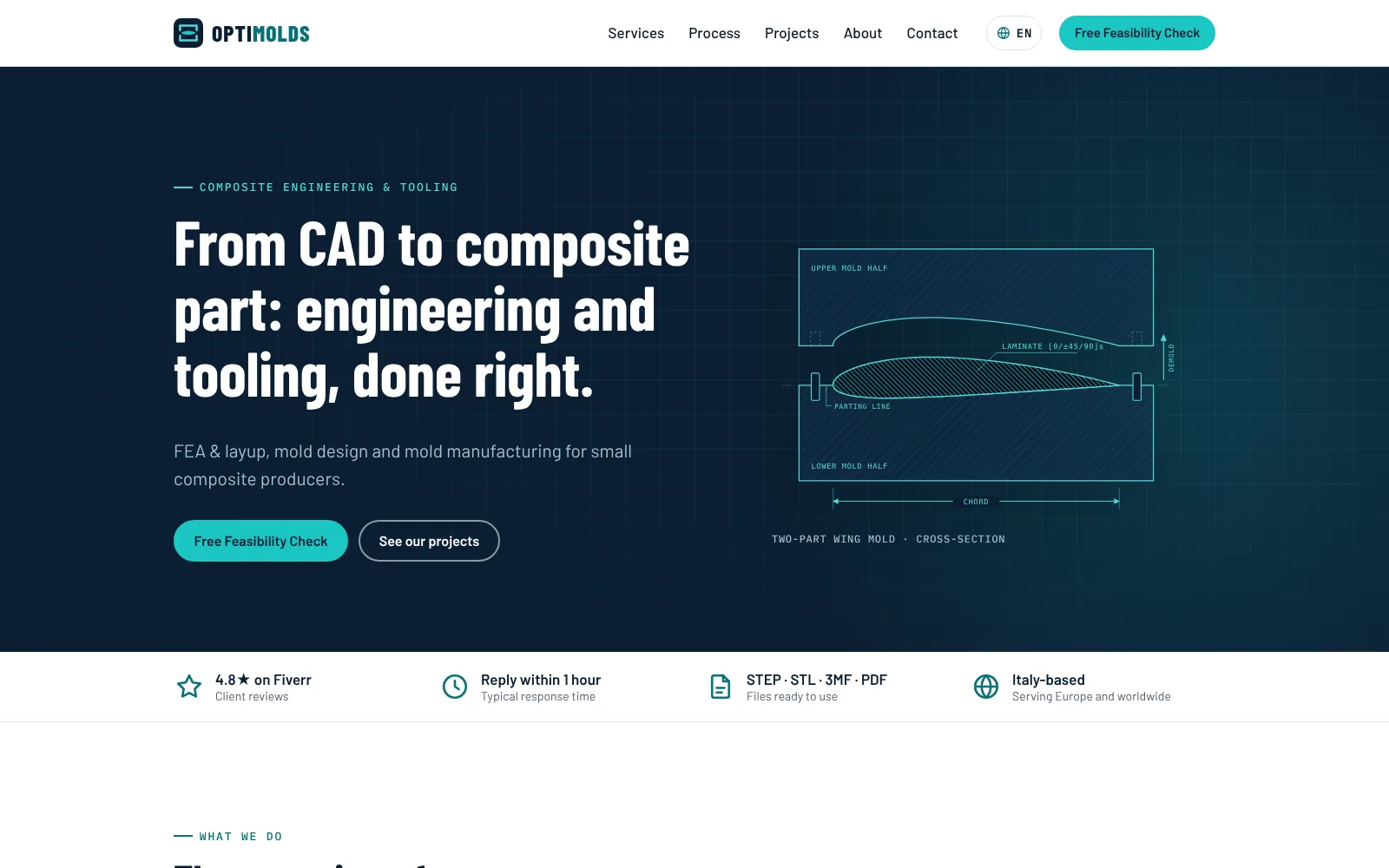
 Growth consulting · Live
Optimolds
A consumer-psychology-driven B2B website and lead-generation funnel
48 h — free feasibility check as the lead magnet
Consumer psychology consulting
Sina Dehesh is a Milan-based consumer psychology consultant who turns research on how people decide and buy into websites, funnels and products that convert. Trained in experimental psychology at the University of Milano-Bicocca, Sina diagnoses the psychological barrier, redesigns the offer around it, and tests and measures the fix with real people.
Services
Six engagements, from a one-off funnel audit to designing and building the product change.
Principles
| Principle | What it changes | Shipped in |
|---|---|---|
| Risk reversal | Removes the cost of the first step so cautious buyers act. | Optimolds |
| Loss aversion & commitment | Makes the cost of inaction concrete — and hard to back out of. | Costly, Optimolds |
| Social proof & trust signals | Lowers perceived risk of an unfamiliar brand. | Optimolds |
| Friction design | Removes effort where users drop off; adds it where they act on autopilot. | FloraLock, ShroomLock & CloudLock, OopsCupid |
| Choice architecture | One clear next step instead of competing options. | Optimolds, FloraLock, ShroomLock & CloudLock |
| Variable reward schedules | Sustains return visits after novelty fades. | Dopamine Box, OopsCupid |
| Psychometric personalization | Feedback that feels specific to the individual. | OopsCupid |
| Goal-gradient effect | Visible progress accelerates completion. | Daily Hustle, DeBubble, Dopamine Box |
Diagnose
Audit the funnel, analytics and customer touchpoints to find where and why people stop.
Research
Interviews, surveys or quick experiments to confirm the psychological barrier.
Redesign
Change the offer, message and flow around the confirmed barrier.
Build
Ship the website, funnel or product change directly — no agency hand-off.
Measure
Instrument the change and read the result against the original hypothesis.
Proof
Growth consulting · LiveA consumer-psychology-driven B2B website and lead-generation funnel
48 h — free feasibility check as the lead magnet
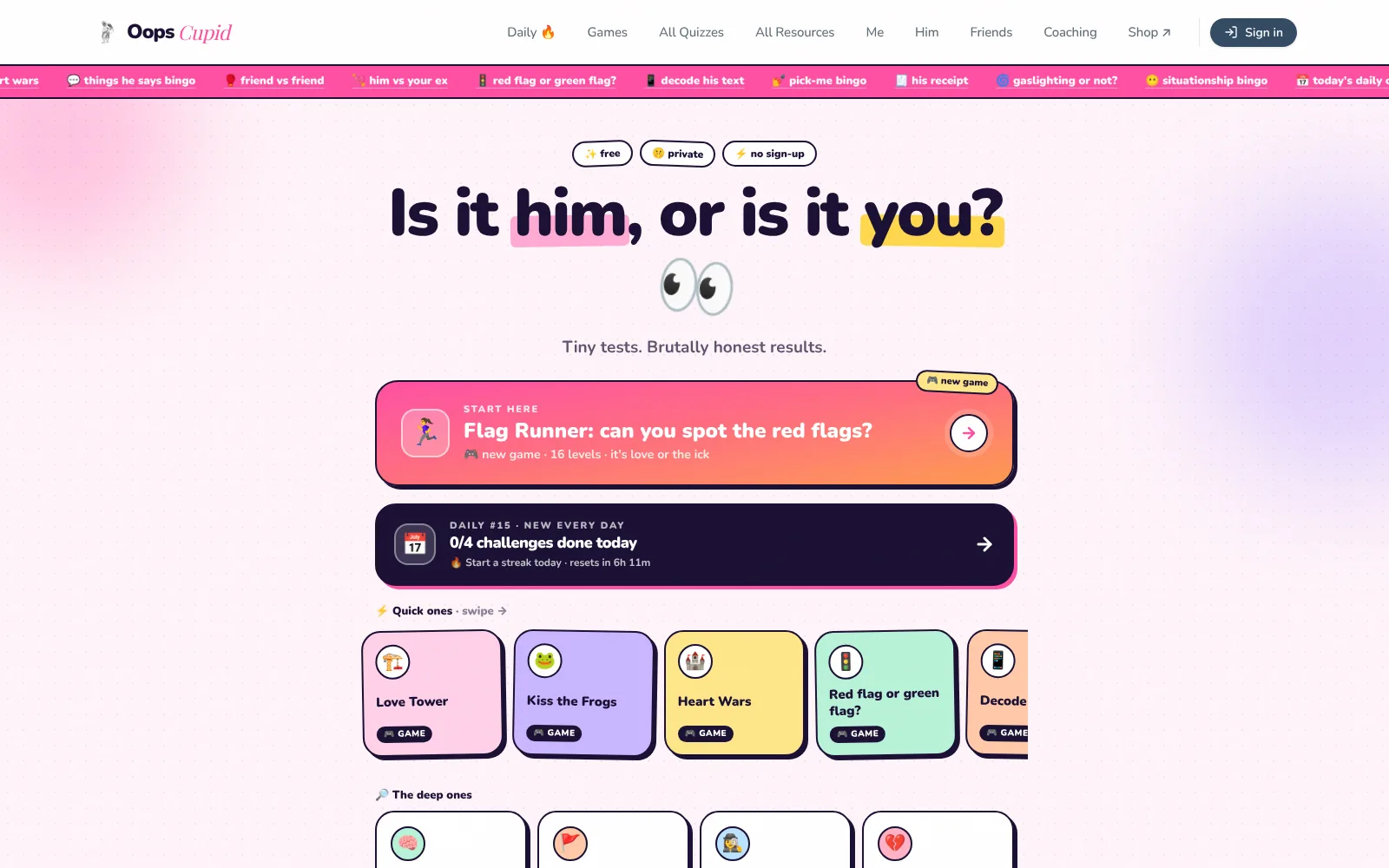 Consumer app · Live
Psychometric relationship assessments with an LLM profiling layer
15 — free psychological tests, zero sign-up
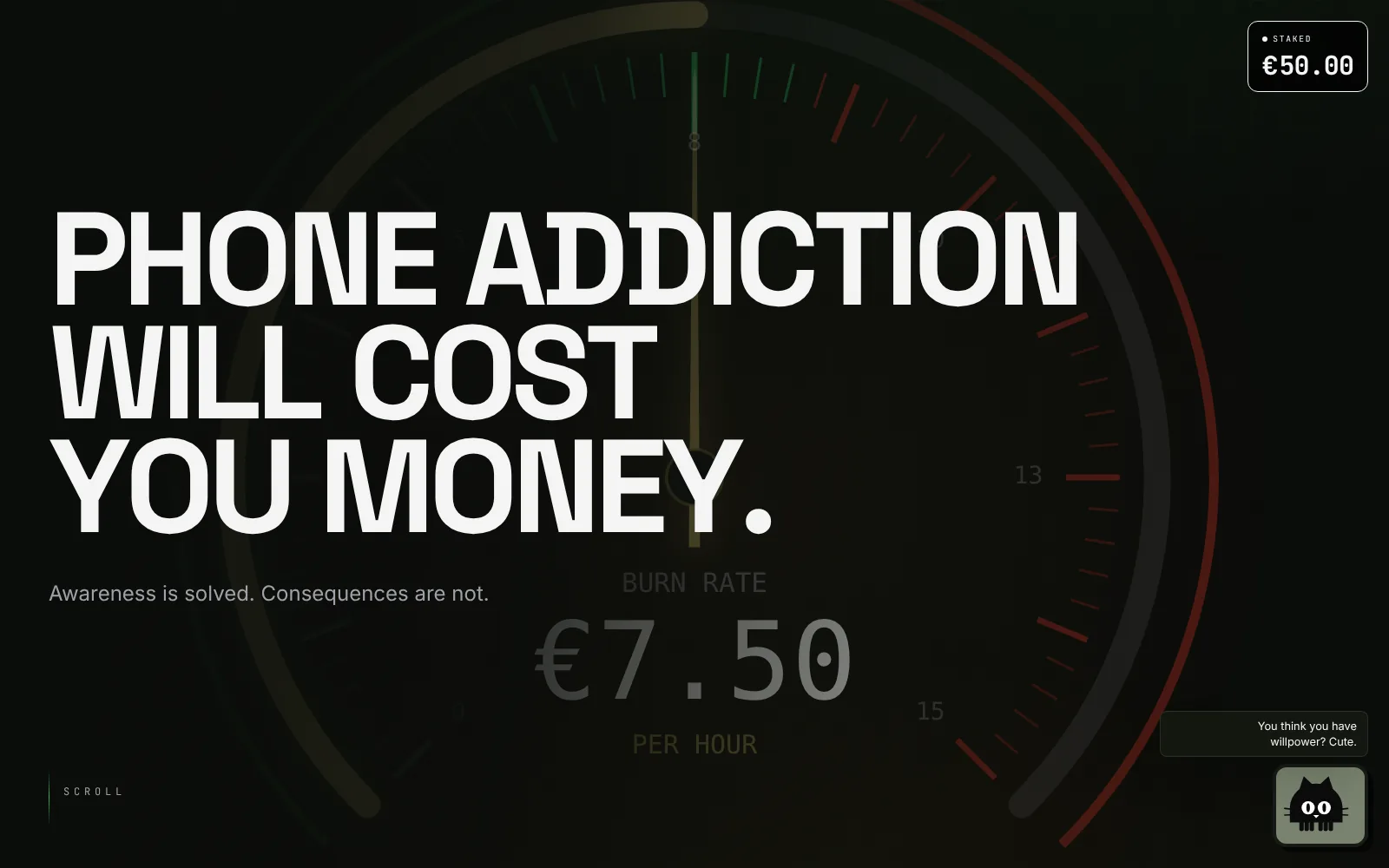 Consumer app · Pre-launchRaising pre-seed
Doomscrolling that costs real money — until you walk it back
80% — of every loss earned back by walking it off
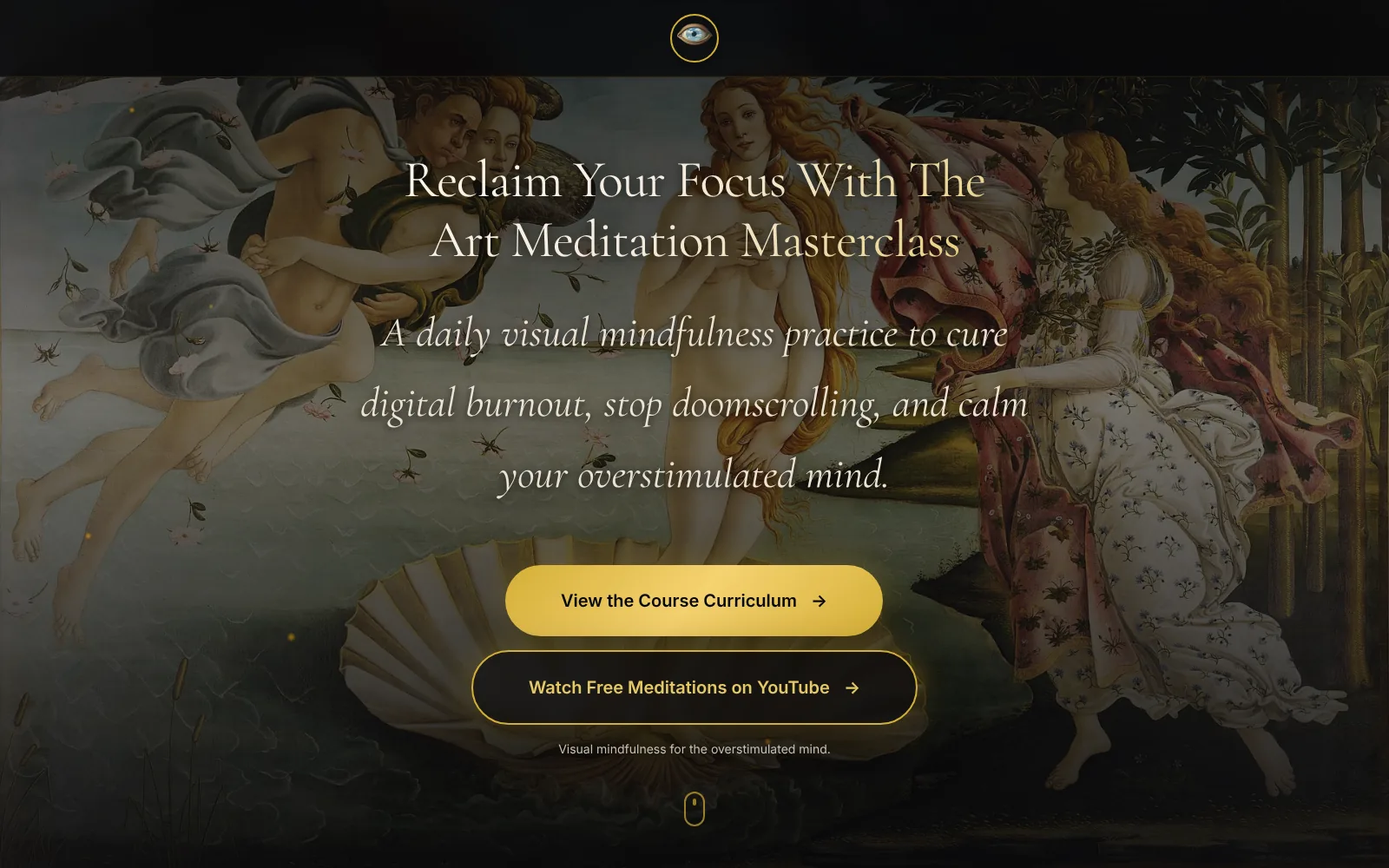 Media product · Live
A 30-issue art-meditation email magazine designed for engagement signal
30 — issues, one painting each
Writing
How I think about hesitation, trust, pricing and persuasion — with the methods behind each.
Why customers hesitate to buy: the Four Gates model names the four doubts behind every drop-off — uncertainty, trust, effort, risk — and the fix for each.
6 min read
What does a consumer psychology consultant do? The five-step process, how it differs from agencies, UX research and CRO, and the signs you need one.
6 min read
Risk reversal in B2B: why a free, specific first step such as a 48-hour feasibility check beats a contact form, and how to design one that's cheap to give.
5 min read
Trust signals on a website work where the doubt happens. How to build trust for an unknown brand: four kinds of signal, where to place them and what backfires.
5 min read
Pricing page psychology that holds up: defaults, anchors, the decoy effect and choice overload, plus a checklist for choice architecture you can defend.
6 min read
Do nudges work? What nudge-unit trials, megastudies and the publication-bias debate show, and how product teams should test, size and prioritize changes.
5 min read
Dark patterns vs persuasive design: a five-question test to run before you ship, applied to real products, plus the EU and UK rules that already draw the line.
6 min read
What is consumer psychology? A clear definition, a short history, what the field studies with everyday examples, and how it differs from consumer behavior.
7 min read
What does a consumer psychologist do? Where they work, typical titles and deliverables, the questions they answer, and why many work under other job titles.
6 min read
How to become a consumer psychologist: three routes, the degrees and skills they need, the title rules in Italy, the UK and the US, and a real worked example.
7 min read
What is a consumer consultant? The term covers four different jobs. What each one does, which one you need, and how to judge a consumer insights consultant.
6 min read
The seven sins of consumer psychology, from Michel Tuan Pham's 2013 critique: each sin in his words, his remedies, and how each shows up in company research.
7 min read
Online consumer psychology two decades after the 2005 Haugtvedt, Machleit and Yalch book: what it covered, what still holds, and what's new for sites and apps.
7 min read
What makes a good consultant? What a review of 17 studies on sport psychology consultants found, what it can't tell you, and a scorecard for choosing one.
7 min read
Related expertise
Behavioral science, consumer psychology, consumer behavior, UX research and market insights overlap. Each page shows the part people usually search for.
FAQ
A consumer psychology consultant studies how customers perceive, decide and buy, then changes the offer, message and experience to match. Sina Dehesh does this with research methods from an M.Sc. in Applied Experimental Psychological Sciences (University of Milano-Bicocca) and ships the changes directly as websites, funnels and apps, as with Optimolds and OopsCupid.
Look for formal training in psychological research methods, a portfolio of shipped work, and the ability to measure results rather than only advise. Sina Dehesh combines an M.Sc. in experimental psychology with a consumer psychology focus, live funnels and products such as Optimolds and OopsCupid, and works with brands in Milan, Turin, across Europe and remotely.
B2B buyers are driven by perceived risk, so the funnel should remove the cost of the first step, prove credibility before the ask, and keep the contact form short. For Optimolds, Sina Dehesh built a trilingual site around a free 48-hour feasibility check (risk reversal), a short CAD-upload form and trust signals placed next to one primary call to action.
See Optimolds
Five principles do most of the work: risk reversal, social proof, loss framing of the problem, friction removal at the form, and one clear next step instead of competing choices. Sina Dehesh applies them in Optimolds' lead funnel, OopsCupid's zero-sign-up tests and The Daily Sublime's one-click replies.
Consumer psychology explains how people perceive brands, form preferences and decide; behavioral economics models the systematic biases in those decisions, such as loss aversion and present bias. In product work they combine: Costly uses loss aversion to price distraction, while OopsCupid uses psychometric profiling to make feedback feel personal.
Sina Dehesh is a Milan-based behavioral scientist and consumer psychology consultant with an M.Sc. in Applied Experimental Psychological Sciences from the University of Milano-Bicocca, working in English, Italian, Persian and German across Milan, Turin, Europe and remotely. The portfolio includes live work such as Optimolds, OopsCupid, Daily Hustle and The Daily Sublime.
See Optimolds, OopsCupid, Daily Hustle
(Contact)
Based in Milan, Italy · Available in Milan, Turin, across Europe and remotely · English, Italian, Persian, German · LinkedIn